
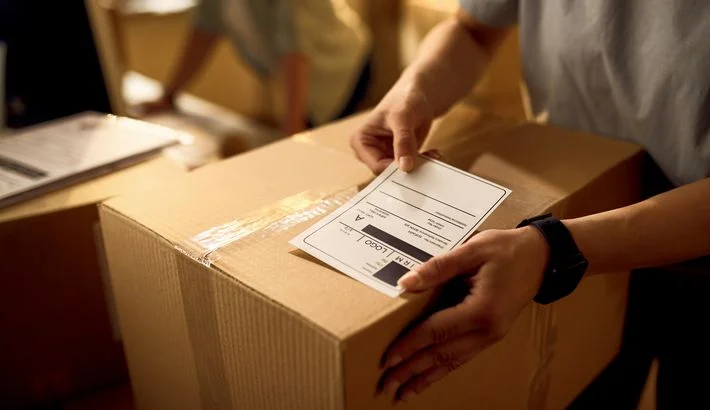
Not every product requires enhanced privacy. However, for some categories, it’s almost an industry standard. This isn’t limited to delicate purchases. Sometimes the reason is security, sometimes the desire to preserve a surprise, and sometimes to protect the brand from negative associations. Companies that build full-fledged e-commerce fulfillment are usually the first to encounter discreet shipping requests from customers.
There are also less obvious reasons. For example, high-value items often become targets for theft right off the porch if the box visually suggests its expensive contents. Then there’s the purely emotional factor. A gift that arrives in recognizable store packaging loses its element of surprise even before it’s delivered.
Here are the main situations when discreet transportation is truly necessary:
- purchasing delicate medical supplies;
- ordering adult products;
- shipping expensive jewelry;
- surprise gifts for loved ones;
- items with a high theft risk;
- orders containing personal information.
Some of these cases concern the package’s content — what’s inside should remain a secret. Others concern value: high-value items attract attention. The less the box reveals its contents, the lower the chance of it being stolen. Then there’s a simpler case — a regular gift that shouldn’t be revealed prematurely.
It’s important to understand: discreet shipping isn’t a one-time measure for a single order. It’s a policy that should be applied consistently. If you hide the brand on one package today and not the next, customers will quickly notice the inconsistency and lose trust in your privacy promises.